
January is a strange month to travel.
The holidays end, decorations come down, and people return to work. Routines pick up again, and most travel stories quickly move on to spring or summer, as if January doesn’t matter.
That’s a mistake.
In January, cities stop trying to impress. That’s exactly what makes it one of the best times to visit.
If you care more about how a place truly feels than about big events, January 2026 gives you something rare: quiet, space, and honesty.
San Diego
The city that never quite gets the memo about winter
San Diego in January feels almost unfair if you’re coming from anywhere colder.
The weather is comfortable—not hot enough for the beach, not cold, just easy. Locals still wear hoodies. The ocean waits, calm and steady. The city goes on as usual.
The crowds are gone. There’s no summer traffic, no packed sidewalks in La Jolla, and no long waits for tables. Restaurants feel like local spots again.
In January, San Diego feels less like a tourist spot and more like a real place where people live.
Lisbon
When the city lowers its voice
Lisbon doesn’t shine in January. Instead, it softens.
The light is softer. The hills are quieter. You end up walking more because there’s no rush. Cafés feel like living rooms, not just stops for tourists.
It’s not warm, but it’s never really cold either. Without cruise crowds and summer heat, the city finally has space to breathe.
Lisbon in January rewards patience. If you take your time, the city gives something back.
New York City
Not romantic. Not kind. But very real.
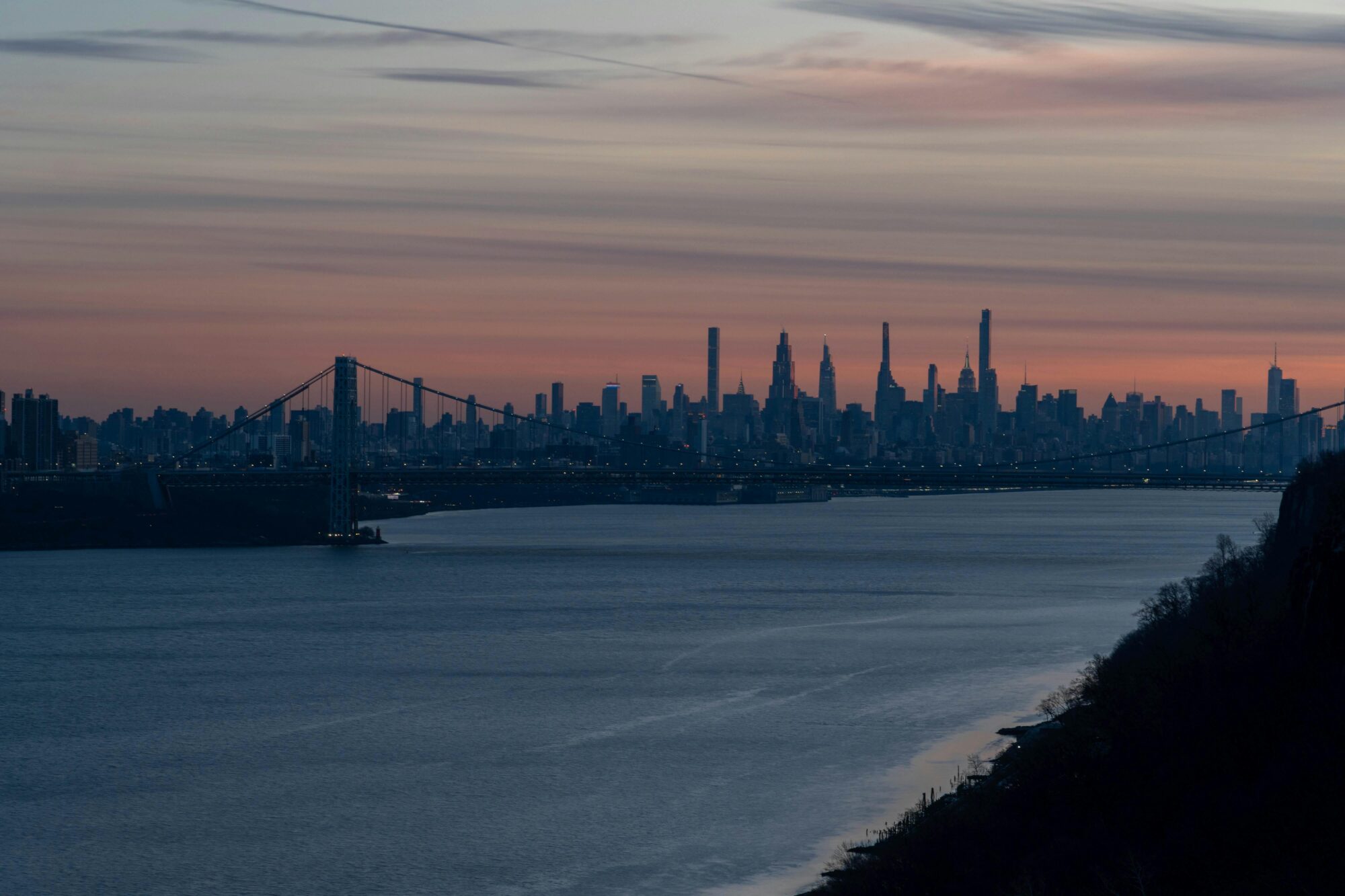
New York in January is stripped down.
The air feels sharp. The streets seem wider. People move with purpose, not for show. This isn’t the New York that tries to win you over; it expects you to be strong enough to handle it.
Hotels are cheaper. Shows are easier to get into. Neighborhoods feel intact again.
You don’t go to New York in January to fall in love with it. You go to understand it.
Mexico City
One of the rare cities where January is quietly perfect
January might be Mexico City’s best-kept secret.
The weather is pleasant. The skies are clear. The city hums instead of roars. Neighborhoods like Roma and Condesa feel lively but not overwhelming.
Cultural life doesn’t slow down here; it just becomes easier to enjoy. Museums, markets, small concerts, and long lunches that stretch into the evening.
There’s a reason so many people “accidentally” stay longer than planned.
Vienna
A city that accepts winter instead of fighting it
Vienna in January doesn’t try to entertain. It endures, and does so gracefully.
The Christmas lights are gone. What’s left is structure: museums, concert halls, and cafés where time seems to slow down. The city turns inward, almost private.
It’s colder, yes. But also calmer. And unexpectedly affordable.
Vienna in January isn’t flashy. It’s precise. Some people might find that boring, but others will see it as depth.
Barcelona
When the Mediterranean exhales
Barcelona off-season is a different city.
The beach is still there, but it doesn’t demand attention. The streets belong to locals again. You can walk through El Born or the Gothic Quarter without weaving through crowds that feel staged.
In January, Barcelona is all about the basics: architecture, food, and daily life. There’s no heat, no spectacle, and no rush. It’s the point.
Why January Travel Works Now
Travel is changing, whether the industry likes it or not.
People are traveling:
- more intentionally
- outside peak seasons
- to observe, not consume
January fits that mindset perfectly. Cities stop trying to sell themselves. You’re no longer being marketed to. What’s left is reality, sometimes rough, sometimes beautiful, often both.